





The real value of 1 liter of water
Does anyone know how much one liter of water costs?
This is the question that we ask people and institutions that have since 2018 heard us talk about EPHI. EPHI is a project that seeks to solve the issues of wastewater treatment forever.
The answer has many correct technical answers that depend of geographical location and from where we obtain water. We can produce this from the air humidity, the ocean by desalinization, from a river, from a well or we can transport it by truck.
At Mantos de Hornillos locals use 300 liters of water every 15 days which is equivalent to a shower in Santiago.
But there is an answer that few realize to see, including us up to until not a few months ago. For people that live at Mantos de Hornillos in Ovalle, where the municipality delivers by truck 200-350 liters of water per family (the equivalent of one shower for someone in Santiago) every 15 days, water does not have a price.
According to a study conducted by the UN under the direction of UNESCO, the world will have a 40% freshwater deficit by the year 2030. This panorama on its own is disheartening, but if we understand that this percentage is not spread evenly, we will then understand that the reality of the challenge that we are faced with. In Chile there are regions like Combarbala y Monte Patria where in the year 2012 they experienced a 77% water deficit when compared to a normal year and it is estimated that numbers will not improve over time.
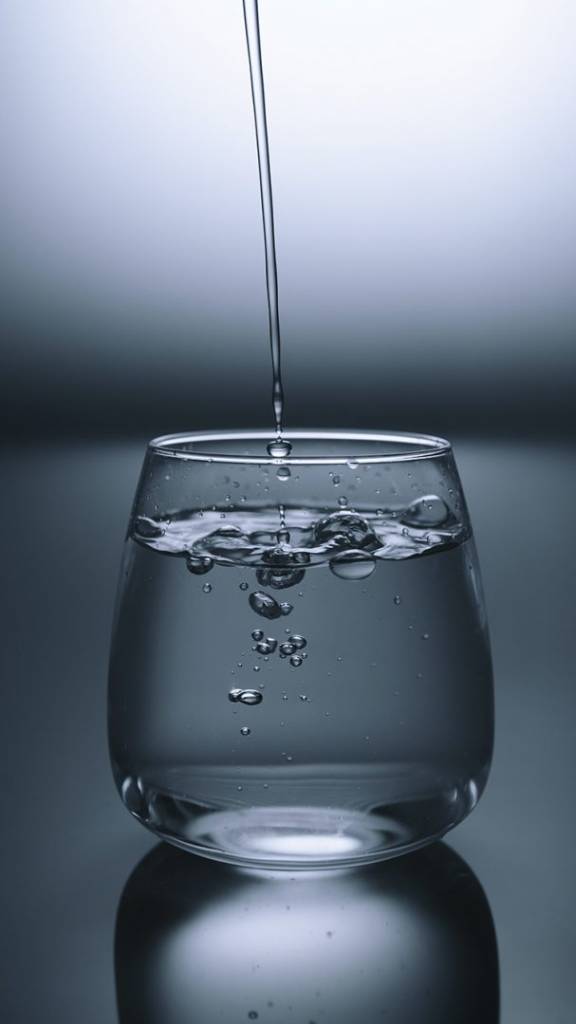
Despite this, The Food and Agriculture Organization (FAO) informs that humanity produces currently sufficient food for 10 Billion people, more than 2 Billion over are actual world population. Experts believe that this capacity can increase despite climate change.
How is this possible?
This is possible thanks to different groups that have been able to develop and innovate watering techniques and that have been leading the way for other trailblazers and innovators, to keep on advancing humanity towards higher levels of prosperity.
There are clear examples of this in countries such as Israel, where they have utilized these tools to reduce the final water operating costs by lowering consumption and efficiently using this resource. Israel has desalinated water from the Mediterranean Sea as well as treated it and reutilized it time and time again.
Could it be that Chile’s future and that of a large part of humanity, depends today on unconformity, a hard work ethic and entrepreneurs that are designing or prototyping solutions in our garages? We believe that it is, and we also know that if someone on your team hasn’t burned an appliance at home trying something new then that means you aren’t really innovating.
The future and part of the present depends on those that haven’t abandoned the dream of leaving this planet better than how we received it, on those and that when we confront a problem, we think in a lineal way such using simple desalination to purify water. We believe in creating business models where investments in solving resources problems are not seen as expenses but more as investments.
The solution of the water problem globally and nationally is not in zero carbon footprint or zero water consumption, trying to live guilt free from what is happening to our planet. This way we tell ourselves a narrative in where we are not part of the problem but instead part of the solution. However, at EPHI we know that to be part of the real global solution we to be a part of two fundamental aspects: Ecological Sustainability and Economical Stability.
We invite you to be a part of the change. Innovation cannot wait.

